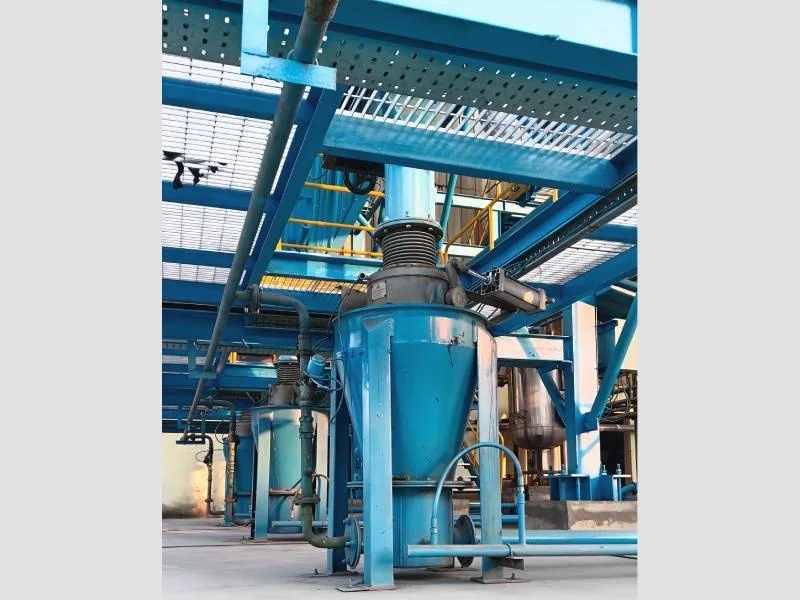
Electrostatic Precipitators (ESPs) are high-efficiency particulate control systems for power plants and industries. They remove fly ash and dust from flue gas with up to 99.95% efficiency across wide temperature and flow ranges.
Electrostatic Precipitators (ESPs) are proven air-pollution control systems designed to remove fine particulate matter from flue gases generated by boilers, heaters, kilns, and industrial process units. ESPs use high-voltage electric fields to charge dust particles and collect them on grounded plates, enabling continuous removal of fly ash and process dust with very high efficiency.
Suitable for power plants and a wide range of industries, ESPs handle large gas volumes, variable dust loadings, and temperatures from 70°C to 400°C. With collection efficiency up to 99.95% and guaranteed outlet emissions in the range of 10–200 mg/Nm³ (filterable PM), ESPs ensure regulatory compliance while maintaining high availability up to 98%. Their robust design supports reliable long-term operation even in demanding environments such as cement, iron and steel, biomass, waste-to-energy, pulp and paper, non-ferrous smelting, and oil and gas applications.
Key Attributes
- Application Power plants, cement, steel, biomass, WtE, pulp & paper, non-ferrous, oil & gas
- Capacity 5–600 MW
- Gas Temp 70–400°C
- Flow Rate 5–1500 m³/s
- Efficiency Up to 99.95%
- Outlet Emission 10–200 mg/Nm³
- Availability Up to 98%

Bag House (Bag Filter) is a high-efficiency fabric filtration system for power plants and industries. It removes dust and particulate matter from flue gas with up to 99.99% efficiency across wide flow and temperature ranges.
Bag House, also known as a Bag Filter or Fabric Filter, is a proven air-pollution control system designed to capture fine particulate matter from flue gases generated by boilers, heaters, kilns, and industrial process units. The system passes gas through high-grade filter bags that trap dust on the fabric surface while clean gas exits, ensuring reliable and continuous particulate removal.
Suitable for power plants and diverse industrial applications, Bag Houses handle variable dust loads and gas temperatures from 50°C to 250°C with gas flow rates up to 1500 m³/s. They deliver guaranteed outlet emissions in the range of 5–200 mg/Nm³ (filterable PM), with collection efficiency up to 99.99% and availability up to 98%. Bag cleaning can be online or offline based on customer requirements, providing flexibility for different operating conditions and dust characteristics.
Key Attributes
- Application Power plants, cement, steel, biomass, WtE, pulp & paper, non-ferrous
- Capacity 10–210 MW
- Gas Temp 50–250°C
- Flow Rate 5–1500 m³/s
- Efficiency Up to 99.99%
- Outlet Emission 5–200 mg/Nm³
- Cleaning Online or offline
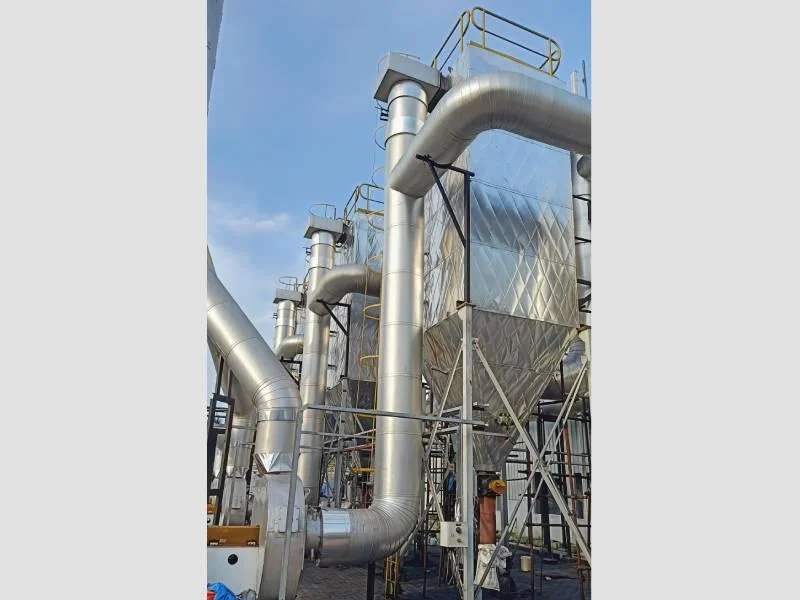
Flue Gas Conditioning System for Waste to Energy optimizes flue gas properties to improve particulate capture and emission control. It helps enhance ESP or bag filter performance, ensuring lower PM emissions and stable operation in WtE plants.
The Flue Gas Conditioning System for Waste to Energy is an advanced emission-control support system that modifies flue gas characteristics to improve downstream dust and pollutant removal performance. By injecting controlled conditioning agents such as sulfur trioxide or ammonia (and in some cases water), the system reduces fly ash resistivity and enhances particle agglomeration, enabling electrostatic precipitators or bag filters to operate at higher collection efficiency and lower opacity. This conditioning stabilizes combustion-related variations typical in WtE plants, supports consistent compliance with particulate emission limits, and can be applied in new installations or retrofits with minimal disruption.
Key Attributes
- Application Waste-to-Energy plants
- Purpose Improves ESP or bag filter performance
- Conditioning Media SO₃, NH₃, optional water spray
- Benefit Lower PM emissions, stable operation
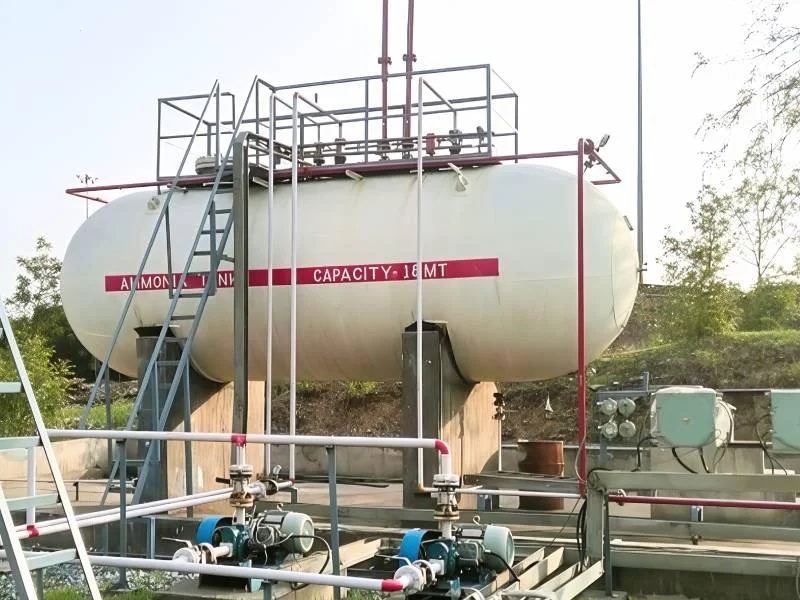
Ammonia Flue Gas Conditioning (AFGC) improves ESP performance by conditioning flue gas with ammonia, reducing SPM emissions from 600–700 mg/Nm³ to 20–70 mg/Nm³. It integrates into existing plants without shutdown and at low cost.
Ammonia Flue Gas Conditioning (AFGC) is an advanced emission-control retrofit technology that enhances Electrostatic Precipitator (ESP) performance by injecting controlled doses of ammonia into flue gas. This conditioning lowers ash resistivity and improves particle agglomeration, enabling the ESP to capture fine particulate matter more effectively. AFGC is especially beneficial in plants using coal with higher ash content or variable quality, where ESP efficiency typically drops and SPM emissions rise. The system delivers drastic reductions in suspended particulate matter, helping plants meet tightening environmental norms. It is designed for easy integration into existing units with minimal modifications, requires no shutdown for implementation, and offers a highly cost-effective path to revitalize older ESP installations.
Key Attributes
- Technology mmonia Flue Gas Conditioning (AFGC)
- System Type Flue gas conditioning for ESP performance improvement
- Application Coal-fired boilers with ESPs
- Plant Load 45 MW
- Flue Gas Temperature 145–155 °C
- Flue Gas Flow 48.61 m³/s
- SPM Reduction ~600–700 to 20–70 mg/Nm³ Coal Ash Content — ~15% (typical case)
- Installation Retrofit, no shutdown required
- Key Benefit Cost-effective PM compliance upgrade
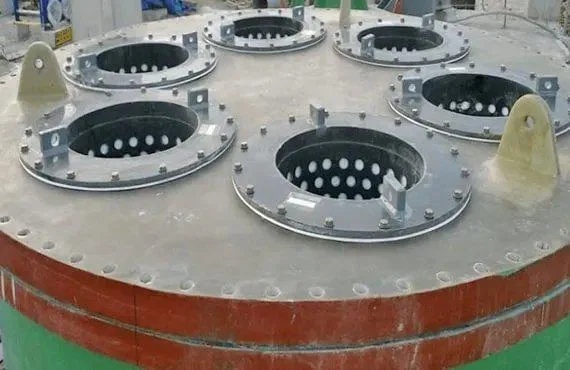
Mist Separator – Candle Filter removes fine liquid aerosols and acid mist from process gas streams. Using fibre-bed candle elements, it coalesces sub-micron droplets into drainable liquid, protecting downstream equipment and ensuring clean emission
Mist Separator – Candle Filter, also called a mist eliminator or fibre bed filter, is designed for high-efficiency removal of very fine liquid droplets and aerosols from gas streams. The filter candles contain dense fibre media that capture mist through impingement and diffusion, then coalesce it into larger droplets that drain away by gravity. This results in cleaner gas, reduced opacity, and strong protection for fans, compressors, ducts, and downstream pollution control equipment. Candle-type mist separators are widely used in demanding industrial environments where sub-micron mist control is critical for process reliability and emission compliance.
Key Attributes
- Material SS or Titanium
- Media Fiberglass, polyester, polypropylene
- Function Removes fine mist aerosols
- Use Gas cleaning and equipment protection

Low NOx Burners are advanced combustion systems for boilers and furnaces that reduce nitrogen oxide emissions by 30–60%. Suitable for coal, gas, oil, and biomass firing, they improve heat rate and fuel efficiency with minimal outage time.
Low NOx Burners are engineered combustion solutions designed to significantly reduce nitrogen oxide (NOx) emissions in industrial boilers and large utility furnaces. By optimizing air–fuel mixing, flame shape, and staged combustion, these burners create controlled in-furnace conditions that suppress NOx formation while maintaining stable and efficient firing.
They are suitable for power generation units, refineries, and industrial boilers, and can be implemented in new installations or as retrofits. The burners support multiple fuels including coal, natural gas, fuel oil, and biomass, and are compatible with wall-fired, tangential, and down-shot firing patterns. In addition to emissions reduction, Low NOx Burners deliver measurable performance gains such as improved heat rate, reduced fuel consumption, lower LOI, better corrosion control, controlled tube temperatures, and reduced slagging. Typical retrofit outages are short, around four weeks, making them a practical solution for compliance and efficiency upgrades.
Key Attributes
- Application Power generation, refineries, industrial boilers
- Fuel Coal, gas, oil, biomass
- Capacity Up to 600 MWe
- Firing Pattern Wall-fired, tangential, down shot
- NOx Reduction 30–60%
- Outage Time 4 weeks
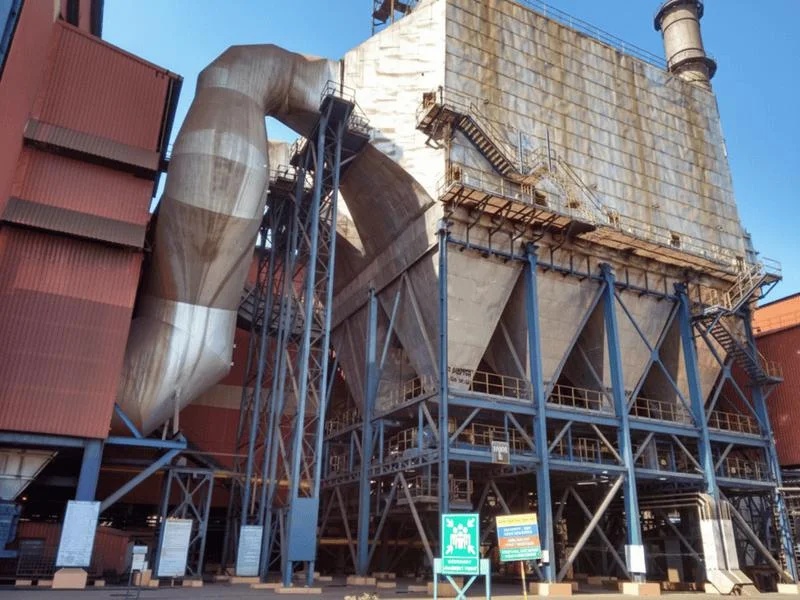
An Electrostatic Precipitator (ESP) is widely used in industries where flue gas contains suspended solid or liquid particles (particulate matter). It is especially effective for very fine particles that are difficult to capture.
An Electrostatic Precipitator (ESP) is widely used in industrial air-pollution control systems to remove particulate matter (PM) from exhaust gases before they are released into the atmosphere. Its ability to collect very fine particles at high efficiency and handle large gas volumes makes it one of the most important pollution-control devices in heavy industries.
Key Attributes
- Gas flow rate 10,000 to 2,000,000 Nm³/h (small process vents to large boilers)
- Gas temperature 120–200 °C (typical), can be higher with special design
- Inlet dust loading 1 to 50 g/Nm³ (can be higher in some processes)